
Software Consulting Services UK: A Practical Guide for Businesses in 2027


Building software involves more than choosing a technology and hiring developers. UK businesses must define their requirements, assess technical feasibility, manage development budgets and plan for future growth. Without proper guidance, early decisions can lead to costly changes, delayed launches and maintenance challenges. Software consulting services UK help founders and business owners turn their ideas into practical technical plans, making it easier to approach software development with clear goals and realistic expectations.
What Are Software Consulting Services UK?
Software consulting services help businesses plan, assess and make informed decisions about their software projects. A software consultant examines business requirements, identifies technical challenges and recommends suitable solutions based on project goals and available resources. These services may include technical feasibility assessments, technology selection, software architecture recommendations and development roadmaps. For UK businesses, working with experienced consultants can provide a clearer understanding of project scope, required expertise, potential costs and implementation timelines before development begins.
5 Software Consulting Services for Different Business Needs
Businesses have different technical requirements depending on their products, operations and growth plans. A software consulting company can recommend suitable solutions for the following areas.
1. Software Architecture and Technology Selection
Software consultants assess project requirements before recommending programming languages, frameworks, databases and infrastructure. They also plan the application's architecture to support performance, security and future expansion. This helps businesses avoid unsuitable technology choices that could increase development costs or create maintenance difficulties later.
2. Custom Software Consulting
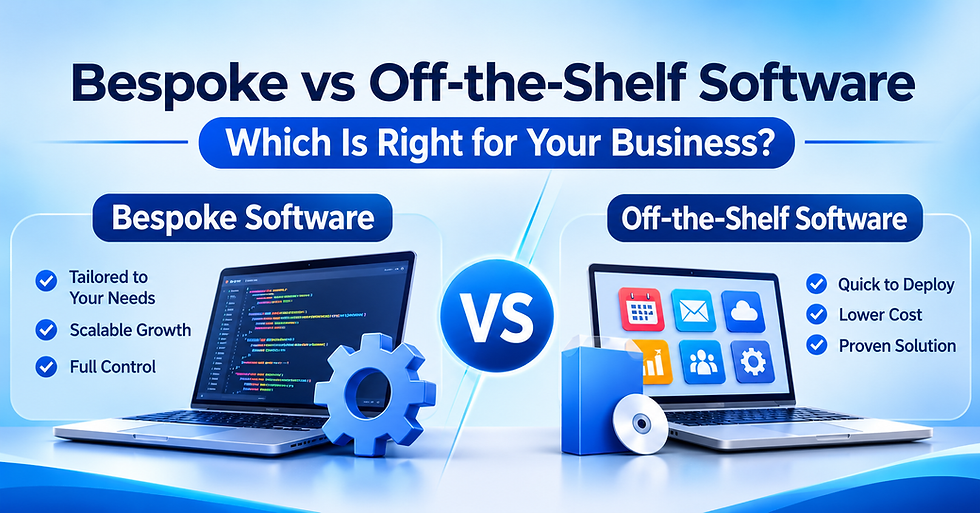
Businesses with specific operational requirements may need software tailored to their workflows. Consultants evaluate existing processes, identify functionality gaps and define essential features. They also recommend suitable development approaches, helping businesses plan custom applications that address operational challenges without paying for unnecessary functionality.
3. SaaS Product Consulting
Companies planning subscription-based software products need a clear technical and business strategy. Consultants provide guidance on product architecture, user management, subscription models, payment integrations and scalability. This helps founders establish a practical development roadmap while preparing their SaaS products to accommodate changing customer requirements.
4. Cloud and System Integration Consulting
Businesses often use multiple applications that need to exchange information efficiently. Consultants assess existing infrastructure and recommend suitable cloud platforms, APIs and integration methods. These solutions can reduce manual data handling, improve communication between systems and help businesses manage their technology infrastructure more effectively.
5. Legacy Software Modernisation
Older applications can become difficult to maintain, integrate or scale as business requirements change. Consultants assess existing systems, identify performance limitations and recommend upgrades, migration or architectural improvements. This helps businesses extend software usability, address technical limitations and reduce the challenges associated with outdated infrastructure.
How Software Development and Consulting Work Together
Software development and consulting work together to turn business requirements into functional digital products. Consulting establishes the technical direction, while development puts those recommendations into practice.
The process usually starts with understanding business goals, target users and project requirements. Consultants translate these needs into technical specifications, identify potential challenges and assess whether the proposed solution is feasible within the available budget and timeline.
Next, they recommend suitable technologies, frameworks and architecture based on the project's complexity and future requirements. These decisions help development teams establish a clear direction before writing code.
A development roadmap then outlines project milestones, feature priorities, resource requirements and estimated timelines. Once the plan is approved, developers begin implementation, followed by testing, deployment and ongoing improvements.
This combination gives businesses a clearer path from an initial idea to a working software product while reducing uncertainty around technical decisions, project scope and development priorities.
Software Consulting for Startups vs Established Businesses
Software consulting requirements vary depending on a company's stage, resources and business objectives. While startups need guidance to build a product from the ground up, established businesses often seek ways to improve existing technology.
For startups: Consultants help founders validate product ideas, define MVP features and select suitable technologies. They also assist with initial architecture planning and development budgets, helping new businesses avoid unnecessary features and technical expenses.
For established businesses: Consulting priorities often involve modernising legacy applications, integrating existing systems and improving software scalability. Consultants assess current infrastructure, identify performance gaps and recommend technical improvements that support changing operational needs.
The main difference is that startups focus on building the right product, while established businesses concentrate on improving, maintaining and expanding their existing software infrastructure.
What to Check Before Hiring a Software Consulting Company in the UK
Choosing the right consulting partner requires more than comparing service offerings or pricing. UK businesses should evaluate the following factors before making a decision:
1. Relevant Project Experience: Review the company's portfolio to see whether it has handled projects similar to yours in terms of functionality, complexity and technology.
2. Industry Knowledge: Look for experience in your business sector. Relevant case studies can help you understand how the company has addressed real technical and operational challenges.
3. Clear Project Scope: Check whether the proposal outlines project requirements, expected deliverables, timelines and estimated costs. This helps prevent misunderstandings during the engagement.
4. Data Protection and IP Ownership: Discuss GDPR compliance, data handling practices, confidentiality and ownership of source code and other project deliverables.
5. Communication and Ongoing Support: Choose a partner that provides regular progress updates, clear communication channels and technical assistance when future improvements or maintenance are needed.
Software Consulting Costs and Engagement Models in the UK
Software consulting costs depend on project complexity, required expertise and engagement duration. UK businesses can generally choose from three common pricing models.
1. Hourly Consulting
Hourly consulting suits businesses that need short-term technical advice, code reviews or specific recommendations. Clients pay for the consultant's working hours, making this model useful when requirements are limited or the amount of support needed may change.
2. Fixed-Price Engagements
Fixed-price consulting works well when project requirements, deliverables and timelines are clearly defined. Businesses agree on a total fee before work begins, making budgeting easier. It is suitable for technical assessments, feasibility studies and software architecture planning.
3. Dedicated Consulting Teams
Dedicated consulting teams suit businesses that need continuous technical guidance or support across larger projects. A team works on agreed responsibilities over a defined period, providing access to different technical skills and allowing businesses to adjust priorities as project requirements evolve.
Comparison of Engagement Models
Comparison factor | Hourly Consulting | Fixed-Price Engagement | Dedicated Consulting Team |
Payment structure | Pay for hours worked | Agreed total project fee | Regular monthly or agreed team fee |
Best suited for | Short-term advice and technical reviews | Clearly defined consulting projects | Long-term projects requiring continuous guidance |
Budget planning | Depends on hours used | Easier to estimate upfront | Based on team size and engagement duration |
Flexibility | High | Limited when scope changes | High |
Project scope | Specific tasks | Clearly defined deliverables | Ongoing or evolving requirements |
Main advantage | Pay only for required time | Predictable project cost | Consistent access to expertise |
Main limitation | Total cost may vary | Changes may require additional fees | Higher ongoing financial commitment |
Choose Debut Infotech for Software Consulting Services in the UK
Planning a software project requires the right technical expertise and a clear development strategy. Debut Infotech helps businesses turn their ideas into practical software solutions through technical consulting, project planning and development support. As an experienced software development company, we work with startups and established businesses on custom applications, SaaS platforms, web solutions and emerging technologies. From evaluating project requirements to guiding implementation, our team focuses on building solutions that align with business goals. Contact Debut Infotech to discuss your software project requirements and explore the right approach.
Final Thoughts
Software consulting helps businesses make informed decisions before committing time and resources to development. From selecting suitable technologies to planning architecture and modernising existing applications, the right technical guidance can prevent avoidable challenges. For UK startups, it can provide direction when turning an idea into a viable product. Established businesses can use it to address outdated systems and changing operational needs. Ultimately, successful software projects depend on understanding business requirements, setting realistic expectations and choosing technical solutions that support both current objectives and future growth.
Frequently Asked Questions
1. What is included in software consulting services?
Software consulting services typically include requirement analysis, technical assessments, technology selection, software architecture planning, project estimation and development roadmaps. The exact scope depends on business needs and project complexity.
2. How much do software consultants charge in the UK?
Software consulting costs vary based on consultant experience, project requirements, engagement duration and technical complexity. Common pricing models include hourly rates, fixed-price projects and dedicated consulting teams.
3. Can a software consulting company also develop software?
Yes. Many software consulting companies also provide development services, helping businesses move from initial planning and technical recommendations to design, development, testing and deployment.


Comments