
SaaS Product Development: Timeline and Development Process

Updated: 4 days ago

Building a SaaS product requires more than developing features and releasing an application. Businesses must make decisions about product scope, software architecture, data security, integrations, deployment, and ongoing maintenance. If these decisions are made without a clear plan, development can become more expensive and delivery can take longer than expected.
SaaS development services help businesses plan, build, test, launch, and maintain applications that users access over the internet. A SaaS development company can provide the technical expertise needed to turn business requirements into a working product.
Understanding the development process helps businesses estimate budgets, set realistic timelines, and identify potential risks before they affect delivery. This guide explains the main development stages, typical cost ranges, factors that influence timelines, and how to evaluate a development partner. The right approach depends on your product requirements, technical complexity, target users, and long-term business goals.
What Do SaaS Development Services Include?
SaaS development services cover the work required to turn a product idea into an application that can be delivered and maintained online. The scope varies depending on the product's functionality, intended users, and business model.
Core SaaS Application Development Services
Typical services include product discovery, requirements analysis, UI/UX design, application architecture, frontend and backend development, and database implementation. SaaS application development may also involve user authentication, access permissions, subscription billing, and third-party integrations. Testing, deployment, security updates, performance monitoring, and maintenance help keep the application reliable after launch.
When Does a Business Need Custom SaaS Development Services?
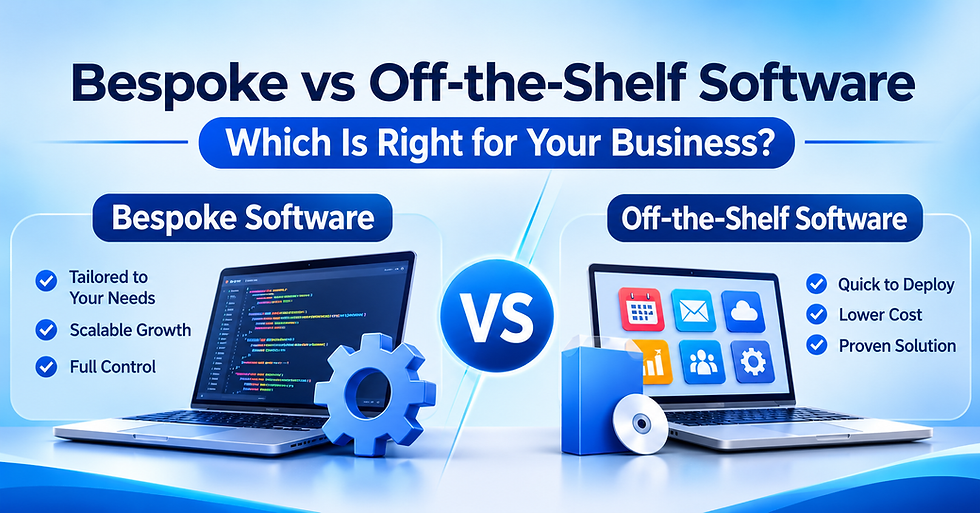
Off-the-shelf software may not support specialized workflows, complex integrations, unique user permissions, or specific data requirements. Custom SaaS development services allow businesses to build an application around these needs instead of adapting operations to the limitations of existing software. The resulting product can serve a defined customer base or multiple organizations, depending on its intended use and architecture.
What Is the SaaS Development Process?
The SaaS development process moves from defining the product to launching and maintaining it. Each stage establishes decisions and deliverables that guide the next, helping teams manage scope, reduce rework, and prepare the application for real-world use.
Stage 1. Requirements Analysis and Product Planning
The team identifies target users, business problems, core features, and functional requirements. It defines the minimum viable product (MVP), prioritizes features, and establishes acceptance criteria. Required integrations, data needs, and technical constraints are documented before development begins. A SaaS product development roadmap can help organize the first release and future improvements.
Stage 2. SaaS Architecture and Technical Design
The team selects an application architecture and tenancy model, then plans databases, APIs, authentication, and user permissions. Design decisions should account for data isolation, security, reliability, and expected growth. Documenting the architecture early helps developers understand system boundaries and reduces the risk of expensive changes when new features or integrations are introduced.
Stage 3. UI/UX Design and User Workflows
The team maps user journeys, including onboarding, dashboards, and account management. Wireframes and prototypes allow stakeholders to review the interface before full development begins. Early feedback helps identify usability problems, clarify workflows, and reduce the need for expensive design changes later in the project.
Stage 4. SaaS Application Development and Integration
Developers build the frontend, backend, databases, APIs, and core features based on approved requirements. They integrate third-party services and subscription billing where needed. Testing components throughout development helps identify defects early, verify integrations, and reduce rework before the application enters formal testing.
Stage 5. Software Testing, Security, and Performance
The team performs functional, integration, and regression testing to verify application behavior. It checks authentication, user permissions, tenant data isolation, and performance under expected workloads. Critical defects and security issues must be resolved before release to reduce risks to users and their data.
Stage 6. Deployment and SaaS Product Launch
The team prepares staging and production environments and verifies release procedures. Backups, monitoring, and rollback plans help manage unexpected issues. User onboarding materials and support processes should also be ready so customers can start using the application and report problems after launch.
Stage 7. SaaS Maintenance and Continuous Improvement
After launch, the team monitors uptime, performance, and application errors. Regular security updates and defect fixes help maintain reliability. Customer feedback and usage data inform future features, while changing requirements may call for updates to integrations, infrastructure, or application architecture.
How Much Does SaaS Development Cost?
SaaS development cost depends on the product's scope, architecture, integrations, security requirements, and development team. A focused MVP generally requires less work than a mature platform with multiple user roles, complex workflows, and enterprise requirements.
The table below summarizes indicative estimates published by development providers. These are planning ranges rather than verified industry averages or guaranteed quotes. For example, Innovation Insight's 2026 pricing guide publishes MVP and full-platform estimates, while Brillminds' 2026 guide provides ranges for different product stages. Actual costs depend on scope, team location, and delivery arrangements.
SaaS product type | Typical scope | Indicative development cost (USD) |
Focused SaaS MVP | Core workflow, authentication, and essential features | 15,000–45,000 |
Standard production product | Multiple features, user roles, billing, and selected integrations | 50,000–150,000+ |
Enterprise SaaS platform | Complex workflows, advanced security, compliance, and extensive integrations | 120,000–300,000+ |
These ranges overlap because product scope matters more than the category label. A narrowly scoped enterprise product may require less work than a broad platform with several integrations.
The main cost drivers include custom features, cloud infrastructure, data migration, testing, compliance requirements, and team composition. Initial development expenses cover discovery, design, coding, testing, and deployment. Recurring expenses include hosting, third-party subscriptions, monitoring, maintenance, security updates, and technical support.
How Long Does SaaS Application Development Take?
The SaaS development timeline depends on feature complexity, requirements clarity, integrations, testing, and stakeholder approvals. A focused MVP can be released sooner than a mature platform with multiple workflows, advanced permissions, and enterprise requirements.
SaaS product type | Indicative timeline | Typical scope |
Focused SaaS MVP | 8–16 weeks | Core workflow, authentication, essential features, testing, and initial launch |
Standard production application | 3–8 months | Multiple features, user roles, billing, and selected integrations |
Complex or enterprise platform | 6–12+ months | Advanced workflows, extensive integrations, data migration, and additional security or compliance requirements |
These ranges vary by team capacity, project scope, and what counts as a completed release. A prototype is not equivalent to a production-ready application, which must also be tested, deployed, monitored, and supported.
Unclear requirements and frequent scope changes can extend delivery. Third-party integrations may introduce external dependencies, while security testing and deployment preparation require time of their own. Defining the MVP, confirming dependencies, and setting stakeholder review deadlines help teams establish a more realistic schedule.
What Can Delay a SaaS Development Project?
Even a well-planned project can fall behind when decisions, dependencies, or responsibilities are unclear. Addressing common risks early helps teams avoid rework and keep delivery expectations realistic.
1. Requirements That Keep Changing
Repeated changes to features and priorities can force developers to revisit completed work. Define the initial scope, document acceptance criteria, and agree on a process for assessing the cost and schedule impact of new requests.
2. Late Architecture and Integration Decisions
Delayed technical decisions can create compatibility problems or require redesign. Assess the architecture, data requirements, and integrations early. Confirm API access, external service limitations, and technical dependencies before implementation starts.
3. Testing and Security Left Until the End
Late testing can expose defects that are expensive to fix before launch. Establish testing requirements, access controls, and security expectations early, then test components throughout development instead of relying only on final-stage checks.
4. Unclear Responsibilities and Approvals
Projects can stall when nobody knows who approves features, answers technical questions, or manages scope changes. Assign decision-makers, document responsibilities, and agree on communication channels and review deadlines before work begins.
5. Incomplete Launch and Maintenance Planning
An application may pass development checks but still lack monitoring, backups, support procedures, or production configuration. Use a launch checklist, verify the production environment, assign maintenance ownership, and prepare incident-response procedures before release.
How to Choose the Right SaaS Development Company
Choosing a SaaS development company requires more than comparing prices or reviewing a portfolio. Businesses should assess technical experience, delivery practices, ownership terms, and the provider's ability to support the product after launch.
1. Evaluate Technical Experience and Project Fit
Review relevant SaaS projects and ask how the team handled architecture, integrations, security, and scaling. A suitable partner should explain technical trade-offs in plain language and connect recommendations to your requirements rather than proposing features without a clear business need.
2. Confirm Delivery, Ownership, and Support
Before signing an agreement, clarify the scope, milestones, deliverables, communication channels, and approval process. Confirm who owns the source code, infrastructure accounts, and technical documentation. Define maintenance responsibilities, support arrangements, and how future changes will be handled.
The guide on how to hire SaaS developers and manage team responsibilities offers more detail on setting expectations, assigning responsibilities, and avoiding ownership gaps.
3. Compare Proposals Beyond the Initial Price
Compare proposals against the same requirements. Check whether each estimate includes discovery, development, testing, deployment, and documentation. Review exclusions, delivery milestones, and how additional requests affect costs. Confirm what ongoing maintenance and support cover after launch rather than selecting a provider solely because its initial quote is lower.
SaaS Development vs. Custom Software Development Services
SaaS and custom software describe different aspects of a product. SaaS refers to a delivery model in which users access a centrally operated application over the internet, often through a subscription. Custom software refers to an application built around specific business requirements instead of relying entirely on off-the-shelf software.
These approaches are not mutually exclusive. Custom SaaS development services can combine a tailored application with an online delivery model. The product's hosting and tenancy arrangements depend on its requirements; customers do not necessarily have to share the same data environment.
When evaluating custom software development services, businesses should consider their workflows, integration needs, deployment preferences, and data-control requirements. They should also decide who will manage hosting, security updates, maintenance, and technical support.
For example, a company with specialized workflows and customers who need online access may choose a custom-built SaaS application. An organization that requires software for internal use and specific infrastructure controls may prefer a different deployment arrangement.
The right choice depends on how the software will be used, the requirements it must meet, and the operational responsibilities the business is prepared to manage.
Conclusion
Successful SaaS development starts with clear requirements and a realistic product scope. Suitable architecture, controlled implementation, thorough testing, and ongoing maintenance help prepare an application for launch and future growth. Both development costs and delivery timelines depend on feature complexity, integrations, security requirements, and operational needs. Defining these factors early helps businesses compare proposals, allocate resources, and reduce avoidable delays. A staged approach also allows teams to validate essential functionality before committing to a broader platform.
Ready to Build Your SaaS Product With Debut Infotech?
Planning a new SaaS product or expanding an existing platform? Debut Infotech provides SaaS development services to help businesses plan, develop, test, and maintain software products around their requirements. The right development approach depends on your product scope, technical needs, and long-term goals. Explore our SaaS development services to discuss your requirements and identify an approach suited to your product.
Frequently Asked Questions
What do SaaS development services include?
SaaS development services can include product discovery, UI/UX design, architecture, frontend and backend development, databases, and third-party integrations. Depending on the project, they may also cover testing, security checks, deployment, monitoring, and ongoing maintenance. The exact scope should be documented in the development proposal.
What is the SaaS development process?
The process typically starts with requirements analysis and product planning, followed by architecture, UI/UX design, application development, and integration. Testing and deployment prepare the product for release. After launch, monitoring, security updates, defect fixes, and product improvements help maintain the application as business needs evolve.
How much does SaaS development cost?
The cost depends on product scope, feature complexity, integrations, architecture, security requirements, and the development team's location. Published provider estimates offer useful planning ranges, but they are not universal prices. Businesses should also budget separately for recurring expenses such as hosting, subscriptions, maintenance, and technical support.
How long does it take to develop a SaaS application?
A focused MVP may take around 8–16 weeks, while a standard production application can take several months. Complex platforms may require a year or longer. These are indicative estimates; the actual schedule depends on features, integrations, testing requirements, team capacity, and how quickly stakeholders make decisions.
How do I choose a SaaS development company?
Review relevant project experience, architecture expertise, integration capabilities, security practices, and delivery methods. Before signing, clarify scope, milestones, source-code ownership, documentation, and maintenance responsibilities. Compare proposals based on included work, exclusions, and ongoing support rather than choosing solely on the lowest initial price.
What is the difference between SaaS development and custom software development services?
SaaS describes how software is delivered and accessed, while custom software development services focus on building an application around specific requirements. A custom-built product can also be delivered as SaaS. The best approach depends on workflows, integrations, deployment preferences, data-control needs, and who will operate the software.
What should I consider when hiring a SaaS development company in the USA?
Review the provider's technical experience, service scope, pricing assumptions, delivery process, and support arrangements. Confirm what the proposal includes and who owns the source code and infrastructure. Compare providers based on project fit and long-term responsibilities. The SaaS development company in the USA guide provides further information on cost planning and provider selection.


Comments